Dog Animal Mandala, Animal Silhouette 47
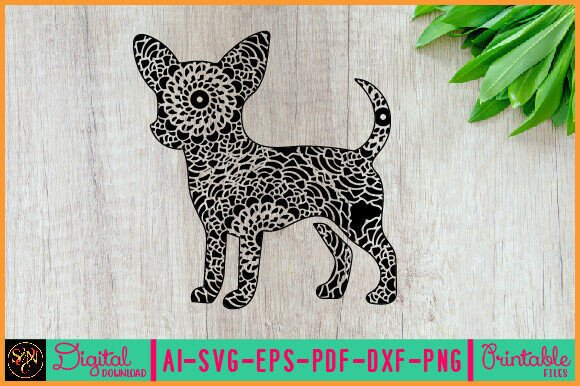
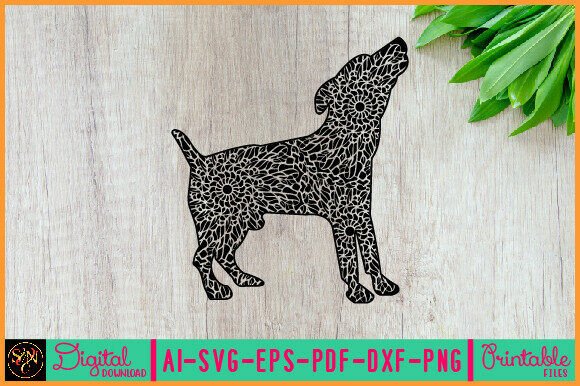
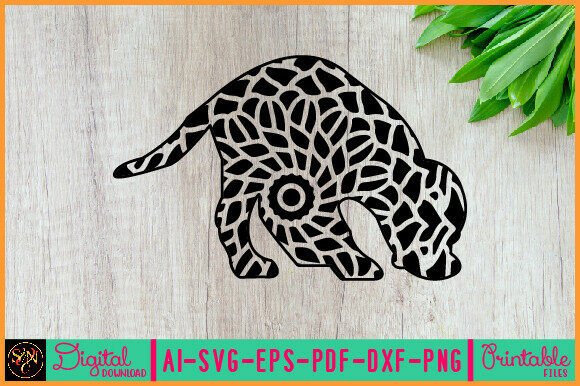
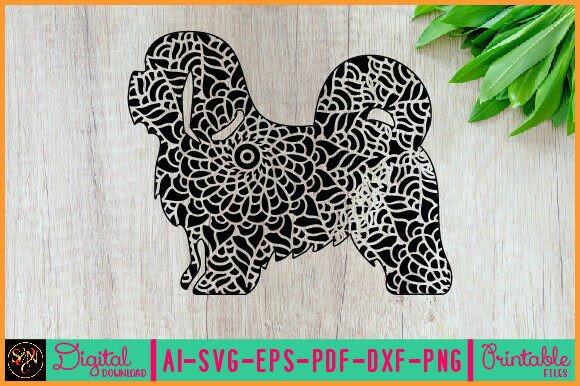
When I first opened Dog Animal Mandala, Animal Silhouette 47, I was genuinely curious how a mandala layout would frame an animal silhouette without losing the subject. In many animal mandala designs, the detail overwhelms the shape and you end up with a pattern that happens to have a dog inside it. This one avoids that trap. The silhouette stays readable, and the mandala elements circle it like an ornamental frame rather than competing with it. The mood is balanced, calm, and slightly boho, which makes it a natural fit for products where you want a decorative feel without shouting. Whether you are stitching for a boutique pet shop or making a personalized gift for a dog owner, this design brings a thoughtful, artistic presence.
A Design That Respects the Dog Shape
The first thing I look at in any animal silhouette is whether the outline is clean and recognizable. Here the dog profile is distinct enough that you know it immediately, but it avoids being too cartoonish or too generic. The mandara does not distort the silhouette, and the gap between the dog shape and the surrounding pattern gives the eye a resting point. That is important for embroidery because dense fill areas can blur the subject if there is no breathing room. The overall layout feels intentional, like a piece of custom apparel art rather than a clip art shape dropped into a circle.
For a machine embroidery design like this, the visual personality leans modern bohemian with a hand-drawn quality. It would not feel out of place on a tea towel in a farmhouse kitchen or on a canvas tote bag sold at a local craft fair. It also has enough structure to work for more polished applications like an embroidered patch on an apron or a boutique sweatshirt. I would describe the mood as warm, earthy, and slightly sophisticated, which is a sweet spot for many small shop products.
Real Project Use: Custom Tote Bags for a Pet Boutique
I tested this design while preparing a run of custom tote bags for a small pet boutique that wanted an embroidered logo alternative. The shop owner wanted something decorative but still clearly dog-related. I chose a natural cotton tote with a medium weave and used a medium-weight cutaway stabilizer. The embroidery file handled well at a typical mid-range hoop size, and the stitch path felt logical. I did a test stitch on scrap fabric first, and that is something I recommend to anyone before committing to a full production run.
The result was clean. The silhouette stayed crisp, and the mandala elements stitched out with good definition. I used a dark brown thread on a natural fabric background, and the contrast was strong. The shop owner later told me customers commented on how the design looked like a custom illustration rather than a stock graphic. For an Etsy seller or a craft business owner, that kind of reaction is gold because it makes the product feel more personal and less mass-produced.
How It Performs Across Different Products
Over the years I have stitched a lot of embroidered patches, sweatshirt embroidery, and baby embroidery projects, so I have a sense of where this design will shine and where it needs caution. Here is what I found.
Natural Strengths
On medium-weight woven fabrics like cotton twill, linen, and canvas, the design settles in beautifully. The fill stitch areas are balanced and do not pucker, and the open spaces around the dog silhouette prevent the design from feeling too heavy. For tote bag design, this is an ideal candidate. I also tested it on a cotton apron and a tea towel, and it looked equally at home in both settings. The mandala structure gives it a decorative finish that elevates a simple kitchen towel into a handmade product worth gifting.
For custom apparel like sweatshirts or t-shirts, the design works well when hooped properly with a good stabilizer. I suggest a tearaway or cutaway stabilizer depending on the fabric stretch. On a sturdy sweatshirt, the design holds its shape and the silhouette does not distort. It also works nicely as a chest or back shoulder placement, where the circular mandala draws the eye without overwhelming the garment.
Areas That Need Careful Handling
This design is not ideal for very small hoop sizes. If you try to scale it down below a certain threshold, the mandala details start to lose clarity and the dog silhouette can become muddy. I would recommend checking the minimum size before you commit to a project, especially if you are working on a baby embroidery onesie or a small cap. On curved surfaces like a cap front, the circular shape may require careful hooping and possibly a curved hoop attachment to avoid distortion.
Stretchy fabrics like jersey knits or lightweight interlock can also be tricky. The stitch density is not extreme, but there are enough satin and fill elements that you need a stable base. Use a cutaway stabilizer and test on a scrap piece first. I had no trouble on a medium-weight cotton sweatshirt, but I would be cautious with thin, drapey fabrics where the design could pull.
Dark fabrics are fine as long as you choose thread colors with enough contrast. The silhouette itself can be a single color, but the mandala details benefit from at least two or three tones to give the pattern depth. If you stitch it in all one color, the mandala can read as a single shape instead of a layered pattern.
Visual Appeal and Product Value
One reason I return to designs like this is that they increase the perceived value of a finished product. A plain tote bag or apron becomes something people want to buy or gift. The mandala gives it an artistic quality that customers associate with quality and care. For handmade product sellers, that translates directly into higher perceived worth and stronger buyer engagement.
When I listed a small batch of tea towels with this design at a local holiday market, they sold out in the first hour. Customers mentioned the design felt unique and not like something they would see on every other booth. That kind of recognition matters for small business owners who rely on word-of-mouth and return customers. The design also photographs well, which is important for printable mockup listings or online shop photos.
Practical Designer Notes Before You Stitch
If you plan to use Dog Animal Mandala, Animal Silhouette 47 in your own work, here are some practical tips based on my testing.
- Test on scrap fabric first. This applies to any new digital embroidery file, but especially when there is a mix of fill and satin areas. You want to confirm that the stitch path and density work for your specific machine and fabric combination.
- Check thread color contrast. The silhouette reads best when it stands apart from the mandala background. A light dog shape on a dark mandala or vice versa gives the clearest result. Avoid colors that blend into each other.
- Review stitch density before hooping. If the design feels too dense for your fabric, consider reducing the scale slightly or using a lighter stabilizer. I have not found the density to be excessive, but every fabric behaves differently.
- Confirm hoop size. The design requires a hoop large enough to accommodate the full circular layout. Check the dimensions in your software before cutting fabric.
- Inspect small details. The mandala has fine lines that could be lost if the design is scaled down too aggressively. Keep the size large enough to preserve the pattern elements.
- Stitch a black-and-white mockup first. This helps you see how the silhouette and mandala interact without the distraction of color. It is a simple way to catch any layout issues before thread touches fabric.
- Compare light and dark fabric backgrounds. The contrast changes dramatically depending on the base color. I prefer a medium to light background for this design because the mandala details pop better, but dark backgrounds can work with the right thread choices.
- Use proper stabilizer. For most projects, a medium-weight cutaway stabilizer gives the best balance of stability and softness. For towels or aprons, a tearaway works fine as long as the fabric is stable.
- Check licensing before selling finished items. This design comes as an EPS file, DXF file, SVG file, PDF file, PNG file, and AI file, which means it is ready for both embroidery and printable applications. But if you plan to sell the finished product or use it in a commercial embroidery business, verify that the license covers commercial use. I always recommend confirming this before launching a product line.
Where This Design Belongs in Your Shop
For Etsy sellers and creative entrepreneurs, this design fits naturally into several categories. You could stitch it on tote bag design projects, sweatshirt embroidery pieces, embroidered patches, tea towels, aprons, pillow covers, and even lightweight blankets. The mandara style makes it a strong candidate for holiday embroidery gifts, especially for dog lovers. It also works as a standalone piece on a baby blanket or nursery decor, though I would scale it carefully to keep the details intact.
If you sell design assets or printable mockup files, the included SVG file and PNG file give you flexibility for digital previews. The PDF file is useful for printed instructions, and the AI file lets you adjust colors or layout if you want to create variations. The file set covers the basics for both stitching and digital presentation.
Final Thoughts from the Hoop
I have tested and reviewed many animal silhouette designs over the years, and Dog Animal Mandala, Animal Silhouette 47 stands out because it does not sacrifice the subject for the sake of decoration. The dog shape remains the focal point, and the mandala frame supports it without overwhelming it. That balance is harder to achieve than it looks.
Whether you are a hobbyist making a personalized gift for a friend or a small business owner building a product line, this machine embroidery design gives you a professional, artistic look that customers notice. Stitch it on the right fabric, take the time to test your thread and stabilizer choices, and you will end up with a finished product that feels both handmade and refined.
For my next project, I am trying it on a canvas apron for a dog groomer who wants a subtle logo alternative. If the test goes as well as the tote bags did, I will probably add it to my regular rotation of go-to designs for pet-related craft business orders. That is the kind of real use that tells me a design has staying power.