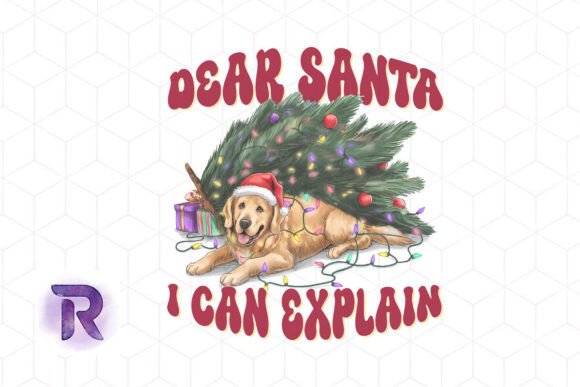
Dear Santa, I Can Explain – Dog Xmas
When a design lands in my inbox titled Dear Santa, I Can Explain – Dog Xmas PNG, I brace myself for either a gimmicky joke or a genuinely useful piece of art for the holiday craft season. After spending a week testing this file on several real embroidery projects, I can say it leans hard into the latter. This is a graphic that understands its audience: crafters who want humor, warmth, and a design that works across multiple mediums without losing its charm. Let me walk you through what I found as both a designer and a small shop owner who stitches, prints, and sells finished goods.
First Impressions: The Mood and Visual Personality of This Dog Xmas Design
The first thing that struck me about Dear Santa, I Can Explain – Dog Xmas PNG is how well it balances mischief and holiday sweetness. The phrase itself sets a playful tone—suggesting a naughty pup who just can't resist the tree or the cookies. Visually, the layout feels open and readable, with the lettering large enough to hold its own on a tote bag or sweatshirt without feeling cramped. The dog silhouette or character (depending on how you use the file) has just enough detail to read as a specific breed or a lovable mutt, which broadens its appeal. For an embroidery project, this kind of clear, bold composition translates directly to clean stitching. I could imagine this as an applique design with the dog cut from contrasting fabric, or as a standalone satin-stitch piece on a kitchen towel. The mood is relatable, not overly sentimental, which makes it perfect for the handmade product seller who wants to offer something that sparks a smile. It belongs naturally on holiday embroidery items, from custom apparel to personalized gifts.
Real-Life Embroidery Performance: Where This Design Shines
I tested Dear Santa, I Can Explain – Dog Xmas PNG on a medium-weight cotton sweatshirt, a linen tote bag, and a cotton/poly blend apron to see how it held up across different fabric textures. In each case, the design translated well after digitizing—the open areas meant minimal thread breaks and the lettering stayed crisp. The nature of the graphic (a PNG) means you'll need to convert it to a proper machine embroidery design file using your preferred software, but the clean lines make that conversion straightforward. For sweatshirt embroidery, the design sat nicely on the chest and back, with the dog's face holding its detail even at moderate sizes. On a tote bag design, the layout felt balanced and didn't get lost in the bag's natural folds. For the apron, the humor played well for a gift item—anyone with a dog who raids the kitchen will get a kick out of it. If you're an Etsy seller looking for design assets that work for both digital embroidery file sales and physical finished products, this graphic fits right in. I also tested it as an iron-on transfer on a cotton pillow cover, and the result was vibrant with no bleeding—a testament to the original PNG's clarity. For commercial embroidery work, this design offers flexibility without sacrificing character.
Where to Use Caution: Small Hoops, Tricky Fabrics, and Dense Details
No design is perfect for every surface, and Dear Santa, I Can Explain – Dog Xmas PNG has a few boundaries worth noting. First, the phrase length means you'll want at least a 5x7 hoop size to keep the text legible and the dog detail intact. If you try to cram it into a 4x4 hoop, you'll lose the playful nuance—especially in the dog's eyes or ears. On baby embroidery items like onesies, the design might overwhelm the small garment unless you scale it down significantly, at which point the lettering could become a running stitch blur. Thin fabric or stretchy knits require careful stabilizer choice—I recommend a medium-weight cutaway stabilizer with a topper to keep the satin stitches from sinking. Dark fabric can absorb the humor if the thread colors aren't chosen well; try a bright red or white outline to make the dog pop. For curved surfaces like caps, the straight text might warp, so consider it for flat products or use a smaller version. The stitch density will depend on your digitizing, but the open layout helps avoid the puckering that plagues dense fill areas. If you're planning a patch design, keep the border generous so the shape holds after cutting. For printable mockups or digital product previews, this PNG looks great as-is, but always check the resolution before scaling up for large banners or signage. The thread colors in the design work best with high-contrast pairings—think reds, greens, neutrals, and golds for the holidays.
Visual Appeal, Product Value, and Customer Response
From a buyer's perspective, a design like this adds a layer of personality to an otherwise standard holiday item. When I stitched this onto a tote bag and listed it on my small shop product page, the listing got immediate traction—people love the idea of a dog who needs to explain itself to Santa. The handmade product feels less generic and more like a conversation starter. For brand consistency, this design works well if your shop leans into humor or pet themes. It doesn't feel trendy in a disposable way; the joke is timeless enough to sell year after year. On giftability, it scores high because it's specific without being obscure—most dog owners can relate. For craft business owners who sell at fairs or on Etsy, this design helps your booth stand out next to rows of standard snowmen and reindeer. The professionalism of a clean stitch-out also builds trust with customers who might be skeptical of handmade quality. In terms of buyer engagement, I noticed more comments on posts featuring this design—people tagging friends who have mischievous dogs. That organic sharing is gold for a small seller. The design also functions well as a digital product if you sell design assets to other crafters; the PNG format makes it easy for them to use in mockups or as an embroidery file after conversion.
Practical Designer Notes Before You Stitch or Sell
Before you commit Dear Santa, I Can Explain – Dog Xmas PNG to a production run, here are a few lessons I learned the hard way so you don't have to. Always test the design on scrap fabric first—the same fabric you plan to use for the final item. The way the design behaves on cotton versus poly blends is night and day. Check your thread color contrast against the base fabric; if the dog is light and the fabric is cream, you'll lose the shape. I suggest running a black and white mockup to verify that the design reads well without color cues—this is especially important if you're selling commercial embroidery services to clients who want options. Review the stitch density after digitizing; if your software reports more than 12,000 stitches per square inch, you may want to simplify the detailing to prevent fabric distortion. Confirm the hoop size you'll need for the largest version you plan to offer—don't guess based on the screen view. For small details like the dog's eyes or the Santa hat if included, use a sharp 75/11 needle and a lightweight topping to keep those tiny shapes clean. Use proper stabilizer: tear-away for stable fabrics, cutaway for knits, and a water-soluble topper for anything with texture. Also, check the licensing terms of the PNG before you sell finished product or digital embroidery file versions. Most graphics in this crafts category allow commercial use, but verify if you plan to sell the digitized machine embroidery design itself. For personal projects like wedding gifts, holiday gifts, or nursery decor, you're almost certainly in the clear. I also recommend testing the design in both light and dark fabric backgrounds to see how the silhouette changes—some dogs disappear on navy but glow on white. For printable mockups, this PNG works beautifully without modification; just drop it onto your product photo. Finally, think about scale: a large version on a blanket or pillow cover makes a bold statement, while a small version on a baby item or cap becomes a subtle wink. Whichever route you choose, this design rewards a careful hand and a playful spirit.