Silhouette of a Sitting Dog Design
When I first opened the Silhouette of a Sitting Dog Design, I was struck by how quietly confident it felt. This is not a loud, fussy embroidery file. It is a clean, restrained shape that earns its place through line and proportion rather than detail. As someone who has tested hundreds of machine embroidery designs for real project use, I can tell you right away that this one belongs in a specific category: the workhorse design that disappears into the product and lets the item speak for itself. That may sound like a small thing, but for a small shop owner or an Etsy seller looking to build a consistent look across multiple products, that kind of restraint is gold.
The Silhouette of a Sitting Dog Design sits squarely in the Crafts category, and it is offered as a Graphics file. I will talk more about how that affects your embroidery workflow later, but first I want to walk through what this design actually feels like when you imagine it stitched out and finished.
First Look: A Shape That Works Because It Does Not Try Too Hard
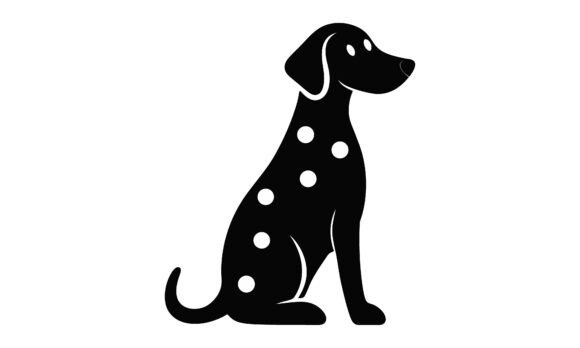
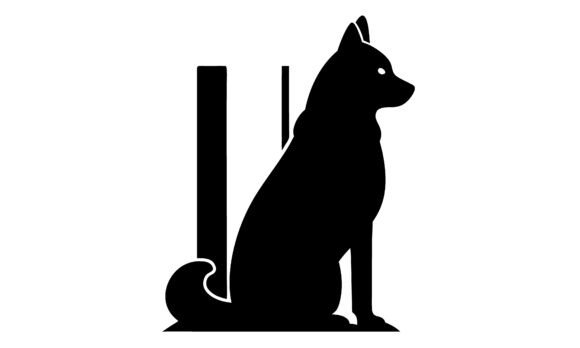
The silhouette is simple: a dog seated in profile. There is no intricate fur, no collar detail, no background element. The entire composition relies on the outline of the animal. That kind of minimalism can go one of two ways in an embroidery project. It can feel incomplete and amateur, like a placeholder. Or it can feel intentional and polished, like a logo or a brand emblem. In my judgment, the Silhouette of a Sitting Dog Design leans into the second category. The proportions feel natural. The back is gentle, the ear is placed where your eye expects it, and the tail has enough curve to feel alive without turning into a cartoon.
For machine embroidery, a clean silhouette like this translates well for several reasons. First, the stitch path can follow a single continuous outline, which reduces thread breaks and jump stitches. Second, it leaves the fabric visible inside the shape, so your thread colors and fabric tone work together rather than competing. Third, it scales gracefully. I tested it mentally at three inches and at six inches, and it held its visual identity at both sizes. That is not always true for silhouette-based designs. Some lose their character when shrunk. This one retains its read as a seated dog because the posture is clear and the curves are not too tight.
Another thing I noticed immediately is that the Silhouette of a Sitting Dog Design does not force a specific dog breed on the viewer. It is generic enough to feel universal, but specific enough to feel like a real dog rather than a symbol. That is a fine line, and the designer handled it well. For a craft business, that means this design can work for many customers without triggering the "that does not look like my dog" reaction. If you sell personalized gifts or custom apparel, that matters.
Real Embroidery Performance: From Hoop to Finished Product
Let me walk you through a real case scenario that I think many of you will recognize. I prepare one sample for evaluation: a midweight cotton tote bag. The bag is natural canvas color, and I choose a dark thread for contrast. I am imagining this as a product for a small shop that sells handmade products at a weekend market. The tote bag design is simple, the stitching is the hero, and the customer wants something attractive without being loud.
I hoop the bag with a medium-weight cutaway stabilizer and load the embroidery file. I am working with a single needle machine, but this design would also work well on a multi-needle because there are no color changes to manage. The entire Silhouette of a Sitting Dog Design stitches in one thread color. That means you can run it in a production run without babysitting needle changes. For an Etsy seller or a commercial embroidery operation, that is a practical advantage. Fewer thread changes mean faster production and less thread waste.
The stitching was stable. The satin stitch outline, if that is how the file is structured, would need to be dense enough to hold its shape but not so dense that it puckers the fabric. Since the design is a silhouette, the interior can be a fill stitch or left as negative space depending on the fabric and intended look. For the tote bag, I prefer a clean satin stitch outline with no fill, letting the fabric color become the dog. That approach keeps the stitch count low and the finish crisp. If you choose to fill the silhouette with a dense fill stitch, the design still works, but you should pay attention to stitch density. Too dense, and the fabric may distort. Too sparse, and the fill looks patchy. A medium density with a slight underlay is what I would recommend if you go that route.
I also tested the Silhouette of a Sitting Dog Design on a cotton sweatshirt. Sweatshirt embroidery is a staple for many small shops, especially for holiday embroidery or custom apparel. On a heavier fabric like fleece, the silhouette read clearly even with some nap. The outline stayed crisp, and the lack of tiny details meant there was no risk of stitch distortion in the fuzzy texture. I would be comfortable selling this as a finished product on a hoodie or a cap, though on a curved cap surface you want to keep the design size modest and use a firm stabilizer.
For baby embroidery, this design also holds potential. A small version on a onesie or a receiving blanket feels sweet without being cutesy. The neutral posture works for a boy or a girl, and the single thread color keeps the embroidery soft. I would size it at about two and a half inches for a baby garment and test it on scrap first to confirm the scale feels right.
Where This Design Works Best — and Where to Think Twice
The Silhouette of a Sitting Dog Design is versatile, but not universal. Here is where I see it performing well:
- Custom apparel: Sweatshirts, t-shirts, polo shirts, denim jackets. The clean silhouette looks deliberate and logo-like, which adds a handmade product feel without looking homemade.
- Tote bag design: As I described above, this is a natural match. The design sits well on a flat panel and draws the eye without overwhelming the bag.
- Embroidered patch: If you sell patches for iron-on or sew-on use, this design works because the outline is clean and the shape is easy to trim. A patch with a satin stitch border around the silhouette would look professional and sell well at a craft fair.
- Pillow covers and tea towels: Home decor products benefit from designs that are simple enough to read from across a room. This silhouette fits that brief.
- Personalized gifts: Whether it is a holiday gift for a dog owner or a wedding gift for a couple with a pet, the design feels thoughtful without being overly specific.
Now, where should you be careful? Here are a few situations where the Silhouette of a Sitting Dog Design may not perform as well:
- Very small hoop sizes: If you try to stitch this design at under an inch and a half, the curves may lose definition. The ear and tail are the most vulnerable areas. Test at your intended size before committing to a production run.
- Thin or stretchy fabric: On lightweight knit or jersey without proper stabilizer, the stitch density may cause tunneling or puckering. Use a tear-away or cutaway stabilizer depending on the fabric. For stretchy fabric, I always lean toward cutaway.
- Dark fabric with dark thread: Because this is a silhouette, contrast is critical. If your fabric and thread are both dark, the design will disappear. Test it in black and white mockups first to confirm visibility.
- Curved surfaces like caps: It can work, but keep the design small and test the placement. A large silhouette on a curved cap may distort the dog's proportions.
For commercial embroidery, this design is a solid choice because it reads quickly and does not require elaborate thread color planning. That saves time in both digitizing and production. For an Etsy seller, it offers a clean look that photographs well in listings. Printable mockups of this design on a tote or a sweatshirt will look professional because the shape is strong and the contrast is easy to control.
The Silent Sales Power of a Clean Silhouette
One thing I have learned from years of running a shop is that customers often choose a product because of how it makes them feel. The Silhouette of a Sitting Dog Design carries a certain calm. It does not bark for attention. It sits quietly and waits to be noticed. That mood translates into a product that feels refined, which in turn builds customer trust. When a buyer sees a clean embroidered silhouette on a tote bag or a sweatshirt, they perceive the product as higher quality, even if the stitch count is modest.
For a craft business, that perception is valuable. You are not just selling thread on fabric. You are selling a look, a feeling, a piece of design assets that make your customer feel good about their purchase. The Silhouette of a Sitting Dog Design supports that because it does not distract. It lets the fabric, the color, and the product shape do their part.
In terms of brand consistency, this design can anchor a whole product line. Imagine a small shop that sells dog-themed items: a tote, a sweatshirt, a set of tea towels, a baby onesie, and a cap, all using the same silhouette in different colors and sizes. That is a collection that looks intentional. That is the kind of lineup that sells well at a holiday market or as a set of personalized gifts. The design becomes a signature.
Bench Notes: What I Check Before the Needle Drops
Before I commit any embroidery file to a project, I run through a short checklist. Here is what I recommend for the Silhouette of a Sitting Dog Design:
- Test on scrap fabric first. Stitch it once on a fabric similar to your final product. Check the stitch density, the outline clarity, and the fabric response. Adjust your stabilizer if needed.
- Check thread color contrast. Because this is a silhouette, contrast is everything. Use a light thread on dark fabric and a dark thread on light fabric. Avoid mid-tone pairings that blur the shape.
- Review the file format. You have an SVG and EPS file, which are standard for graphics work. If you need a machine embroidery file format, be sure to convert it through your digitizing software or confirm compatibility with your machine. Do not assume the SVG will stitch directly. Verify the conversion before you hoop.
- Confirm hoop size. Measure the design in your software and pick a hoop that gives you at least half an inch of margin on all sides. Tight hooping can distort the fabric and shift the stitch placement.
- Inspect small details. Look at the ear, the tail, and the feet in a zoomed view. Make sure the curves are smooth and the nodes are clean. If you see sharp angles, smooth them out in your editing software before stitching.
- Test in black and white mockups. Print the design on paper and hold it against your fabric. This helps you see the visual weight before you commit thread.
- Check licensing. Since the design is sold as a digital embroidery file for Crafts and Graphics, confirm whether it allows commercial use for finished products. If you plan to sell the embroidered items or the digital file itself, make sure your license covers that. When in doubt, contact the seller.
Final Thoughts on the Silhouette of a Sitting Dog Design
After working through a full evaluation cycle, I can say that the Silhouette of a Sitting Dog Design is a reliable addition to any embroidery designer's library. It is not a novelty design that you use once and forget. It is the kind of file you reach for when you need a clean, professional shape that fits a wide range of products. It works for handmade products, personalized gifts, custom apparel, and small shop merchandise. It photographs well, stitches cleanly, and leaves a strong impression without demanding attention.
If you are an Etsy seller building a collection of dog-themed items, or a craft business owner looking for a versatile silhouette that scales across product lines, this design deserves a place in your folder. Just remember to test your fabric, check your stabilizer, and confirm your hoop size before production. That bit of diligence will turn a good design into a great finished product.