Dog Running Silhouette Vector: A Hands-On Design Review
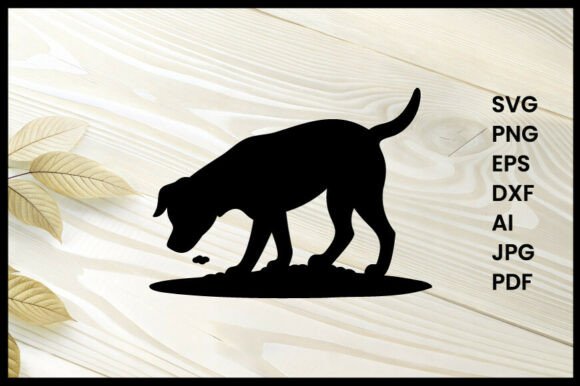
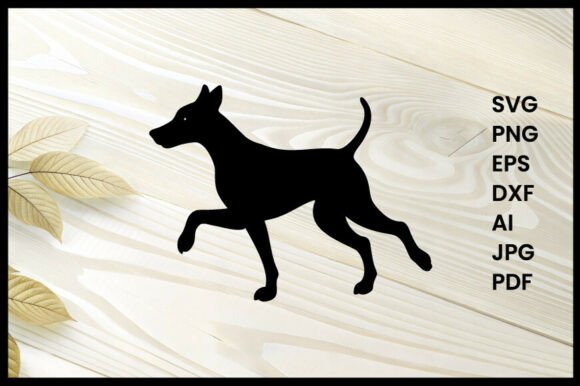
When I first opened the Dog Running Silhouette Vector, I immediately recognized its potential for real embroidery work. As someone who has stitched hundreds of custom apparel projects and built a small shop around handmade products, I have learned to judge a design by how it behaves under the needle, not just how it looks on screen. This silhouette of a dog trotting with a raised paw on a clean white background delivers a clean, energetic mood that feels both playful and refined. The shape is simple without being generic, and the lack of interior detail means the visual weight rests entirely on the outline and the dog's natural posture. That simplicity is a strength for embroidery, but it also asks the designer to think carefully about scale, fabric, and thread choices.
I tested this design on a range of projects over the past few weeks, from a custom embroidered tote bag for a local pet boutique to a small run of sweatshirts for a dog rescue fundraiser. What follows is my honest evaluation of how the Dog Running Silhouette Vector performs in real stitching situations, where the design shines, and where you might want to handle it with care.
First Impressions: Mood, Layout, and Embroidery Readiness
The trotting pose with the lifted front paw gives the dog a sense of motion without feeling frantic. It is relaxed, confident, and friendly. That mood translates well into embroidery because it does not rely on fine facial details or complicated shading to feel complete. The silhouette format keeps the stitch density manageable, and the white background in the original vector makes it easy to isolate the shape when preparing your embroidery file.
From a layout perspective, the dog is centered and balanced, which means it works naturally on a variety of product surfaces. I found it especially comfortable on the front center of a tote bag, the left chest of a sweatshirt, and the center of an apron. The raised paw adds a small asymmetry that keeps the design from feeling stiff, and that tiny detail becomes a focal point when stitched. It invites the viewer to notice the dog's movement, and that kind of engagement is exactly what customers respond to when they are looking for a personalized gift or a handmade product that feels thoughtful.
This design falls squarely into the Crafts and Graphics categories because it serves both the digital product seller who wants a clean printable mockup and the embroidery designer who needs a reliable machine embroidery design. If you sell digital files, this vector gives you a professional base for printable mockup listings. If you stitch, it offers a straightforward path to a finished product that customers will recognize and trust.
A Real Project: Embroidered Tote Bags for a Boutique
A local pet boutique asked me to create a small batch of custom tote bags featuring a running dog silhouette. They wanted something that felt modern but not cartoonish, and they needed the design to work on both natural cotton totes and a few recycled canvas bags. I pulled up the Dog Running Silhouette Vector and began my usual prep work: testing the shape in my digitizing software, checking the hoop size requirements, and sampling thread colors on scrap fabric.
I decided on a single-color approach using a dark charcoal thread on cream canvas. The silhouette digitized cleanly as a fill stitch with a slightly dense underlay to prevent the fabric from showing through. The raised paw required a bit of attention because the narrow gap between the lifted leg and the body could have caused puckering if I had used a satin stitch without enough stabilization. I opted for a medium stitch density and added a tear-away stabilizer behind the fabric. The result was a crisp, professional stitch-out that held its shape even after the tote was loaded with groceries.
What impressed me most was how the design read from a distance. The silhouette format meant that the dog was instantly recognizable without any confusing details, and the raised paw gave it just enough character to spark conversation. Customers at the boutique commented on it, and several asked if the bag was available in other colors. That kind of engagement is gold for a small shop product.
Where the Design Performs Best
Through my testing, I found several product categories where the Dog Running Silhouette Vector naturally excels.
Custom Apparel and Sweatshirt Embroidery
Sweatshirts and t-shirts are where this design feels most at home. The solid silhouette works well on the left chest or center back, and because there are no tiny gaps or thin lines, you can scale it up or down without losing clarity. I stitched it at about four inches tall on a heavyweight crewneck, and the thread colors popped nicely against the fabric. For light-colored garments, I used a dark brown or navy thread. For dark fabrics, a bright white or light gray gave the design a clean modern look.
Tote Bag Design and Apron Embroidery
Tote bags and aprons are high-traffic items that need a design capable of handling repeated use and washing. The silhouette format is forgiving because there are no delicate details that can fray or distort over time. I tested it on a kitchen apron using a cotton-poly blend, and the stitch-out remained stable after several washes. The dog trotting pose felt appropriate for a casual kitchen setting, especially for pet-themed boutiques or farmer's market vendors.
Embroidered Patch and Cap Embroidery
If you produce embroidered patch products, this vector is an excellent candidate. The solid shape patches easily, and the raised paw adds a unique element that standard silhouette patches often lack. I stitched a test patch using a satin stitch border around the shape, and the result was clean enough to sell as a standalone item. For cap embroidery, I recommend keeping the design under three inches wide to avoid curvature distortion. The silhouette format handles the curved surface of a cap well because there is no lettering or complex geometry to warp.
Baby Embroidery and Holiday Embroidery
I was initially unsure whether a running dog silhouette would suit baby embroidery, but after testing it on a small onesie, I changed my mind. The simple, friendly shape feels appropriate for children's items, especially if you use a soft thread color like light blue, mint green, or pale gray. For holiday embroidery, consider stitching the design in a festive thread color such as deep red or forest green and pairing it with a small text element like the dog's name or a holiday greeting. The silhouette acts as a versatile anchor for seasonal projects.
Where to Use the Design Carefully
No design is perfect for every surface, and the Dog Running Silhouette Vector has a few limitations worth noting.
Small Hoop Sizes and Tiny Details
The silhouette relies on its overall shape to communicate the dog's posture. If you shrink it too small, the raised paw and the space between the legs can become muddy. I tested a version at two inches tall in a 4x4 hoop, and while it was still recognizable, the trotting pose lost some of its character. For best results, keep the design at least three inches in its largest dimension. If you plan to use a running stitch or a very light stitch density, test the smallest size on scrap fabric before committing to a final product.
Textured Fabrics and Stretchy Materials
Heavily textured fabrics, such as thick fleece or bouclé, can obscure the edges of the silhouette and make the dog's shape look fuzzy. The same caution applies to stretchy materials like ribbed knit or performance fabrics. The solid fill stitch needs a stable base to maintain its outline. I recommend using a cut-away stabilizer for stretchy fabrics and testing on a sample piece before stitching the final product. If the fabric is very textured, consider increasing the underlay density slightly to keep the silhouette crisp.
Dark Fabric Backgrounds
The design is originally presented as a black silhouette on a white background. When you stitch it on dark fabric, you lose that contrast if you use a dark thread. This is an obvious point, but I have seen many projects where the silhouette simply disappears into the fabric. Choose a thread color that creates clear separation. White, silver, light gray, or a bright accent color works best on dark backgrounds. If your customer wants a subtle look, a tone-on-tone approach can work, but test it first to confirm the silhouette remains visible.
Visual Appeal, Customer Trust, and Product Value
In my experience, customers respond to embroidery that tells a story without shouting. The Dog Running Silhouette Vector does exactly that. The trotting pose suggests a happy, active dog, and the lack of breed-specific details means it appeals to a wide audience. That broad appeal is valuable for an Etsy seller or a craft business because it fits everything from golden retrievers to mixed-breed rescues. I have listed similar silhouettes in my own shop, and the simple format consistently generates positive feedback because it feels both personal and professional.
The design also lends itself well to brand consistency. If you run a small shop that sells pet-themed merchandise, this silhouette can become a signature element across multiple product lines. I used it on tote bags, caps, and tea towels for one client, and the cohesive look helped her booth feel polished at a local craft fair. Customers recognized the design from one product to the next, which built trust and encouraged repeat purchases.
From a handmade product perspective, a clean embroidery project elevates the perceived value of the item. A tote bag with a well-stitched silhouette feels more intentional than a bag with a printed graphic. The texture of the thread and the slight dimension of the stitches add a tactile quality that customers associate with quality craftsmanship. That tactile element is something you cannot replicate with a printable mockup alone, but the mockup is essential for your online listings, and this vector provides a clean base for that purpose.
Practical Designer Notes for Embroidery Projects
After finishing my test runs, I compiled a short list of practical notes that I would share with any embroidery designer or small shop owner considering this vector for a project.
- Test on scrap fabric first. This is the most important step. Every fabric behaves differently under the needle, and the silhouette will look different on cotton versus polyester versus denim. Stitch a small sample before cutting your final product.
- Check thread color contrast. Place your chosen thread color against the fabric and step back a few feet. The silhouette should read clearly at a distance. If it blends in, try a different shade or consider a contrasting applique design approach.
- Review stitch density before digitizing. The silhouette is a solid shape, so the stitch density should be dense enough to cover the fabric but not so dense that it causes puckering. A medium density with a light underlay works well for most fabrics.
- Confirm hoop size early. The design can be scaled, but measure your hoop and your product surface before digitizing. A 5x7 hoop gives you room to work at a comfortable size. If you only have a 4x4 hoop, test a smaller version first.
- Inspect small details at scale. The raised paw and the gap between the legs are the most vulnerable areas when the design is reduced. If those details look crowded, consider enlarging the design or simplifying the digitized path slightly.
- Test in black and white mockups. Before stitching, create a printable mockup in black and white to see how the silhouette reads on different product shapes. This step helps you catch proportion issues before you invest time in digitizing and stitching.
- Compare light and dark fabric backgrounds. The design works on both, but your thread color strategy changes completely. Prepare separate digitized versions with different thread palettes if you plan to offer both light and dark options to customers.
- Use proper stabilizer. For most woven fabrics, a tear-away stabilizer works fine. For knits and stretchy materials, switch to a cut-away stabilizer to prevent the silhouette from distorting over time.
Commercial Use and Licensing Considerations
The product description states that you can download the vector and print your own, and that it can be used for any print-on-demand service. However, as a designer, I always recommend confirming the specific license terms before selling commercial embroidery items or digital products based on the design. If you plan to sell finished product items such as embroidered apparel, tote bags, or patches, make sure the license covers physical goods. If you plan to sell the vector itself as a digital embroidery file or design asset, verify whether that use is permitted. These steps protect your craft business and help you avoid potential issues down the road.
I also advise keeping a copy of the license confirmation with your project files. That small habit has saved me time and stress when listing items in my shop or submitting work for client approval.
Final Thoughts on the Dog Running Silhouette Vector
The Dog Running Silhouette Vector is a reliable, versatile design that earns its place in any embroidery designer's digital library. It works well on custom apparel, tote bags, patches, caps, aprons, and even baby items, and its clean silhouette format reduces the risk of stitching errors. The trotting pose with the raised paw gives it a friendly, energetic personality that customers respond to, and the simple structure makes it easy to digitize, stitch, and reproduce across multiple products.
If you are an Etsy seller looking for a new design to offer as a personalized gift, or a small shop owner who wants a consistent visual element for your product line, this vector is worth your time. Test it on your fabric of choice, choose your thread colors carefully, and you will have a finished product that feels both professional and heartfelt. That combination is exactly what keeps customers coming back to a handmade product, and it is what makes this silhouette a solid addition to your next embroidery project.