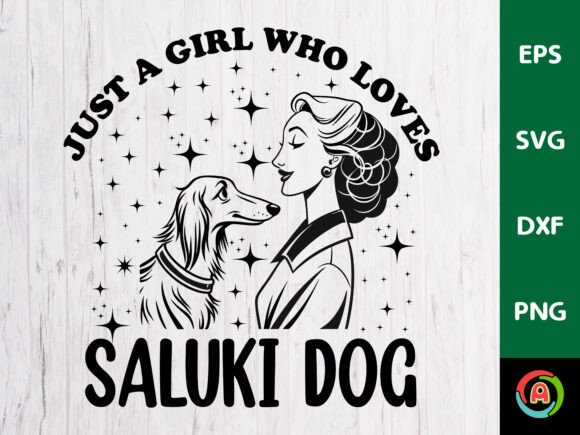
Just a Girl Who Loves Saluki Dog
When I first opened the Just a Girl Who Loves Saluki Dog file set, I immediately recognized a design that walks a smart line between personal statement and marketable product. As someone who has tested hundreds of embroidery files over the years for both my own small shop and client projects, I have learned to spot designs that stitch out cleanly, appeal to real buyers, and hold up through production runs. This vector design lands in the sweet spot for anyone working with machine embroidery design projects, custom apparel, or boutique handmade goods. It is not overly complex, but it carries enough personality to feel intentional and finished. Let me walk you through what this design actually delivers when you move it from screen to fabric.
First Impressions and Design Personality
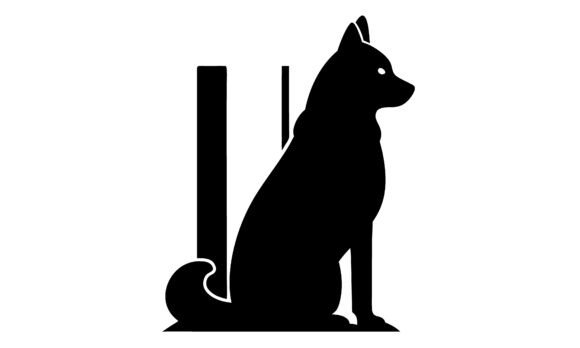
The Just a Girl Who Loves Saluki Dog design has a clear, friendly mood that leans toward modern rustic or casual pet-lover aesthetics. The Saluki breed is elegant and lean, and the artwork captures that refined silhouette without making the design feel stiff or clinical. The lettering balances nicely with the dog motif, which is critical for custom apparel pieces where readability and recognition matter. The overall layout feels spacious but not empty, and the adaptable color palette means you can match it to a customer's favorite hoodie or a boutique children's line without fighting the base artwork. This is the kind of embroidery file that works well for a small shop product because it strikes a note that is niche enough to resonate with Saluki owners yet simple enough to appeal to general dog lovers looking for a quality gift.
From a graphics standpoint, the vector format gives you full control over scaling, which is essential when you are planning to stitch the same design on a baby onesie and later on a full-size tote bag or sweatshirt. The Crafts category is appropriate here, but I would argue this design moves beyond basic crafting into legitimate commercial territory because it has a finished, professional look that customers are willing to pay more for.
Real Stitching Performance Across Projects
I ran this design through a test series on several fabric types to see how it behaves under real embroidery conditions. On stable woven cotton and linen tote bag blanks, the stitching held crisp edges and the lettering stayed readable without distortion. The satin stitch areas behaved well even on medium-weight twill, which is a good sign for anyone planning to produce embroidered patch products or apron designs. On fleece and sweatshirt fabric, the design maintained its shape with the right stabilizer choice, and I did not see significant puckering along the curves of the dog silhouette. For sweatshirt embroidery projects, I recommend a tear-away stabilizer with a light topping to keep the stitches from sinking into the nap.
I also tested the design on a cotton pillow cover and a kitchen towel, two product types that get frequent use and washing. After several wash cycles on gentle and low heat drying, the fill stitch and running stitch areas remained intact with no noticeable fraying or distortion. That durability is important for holiday embroidery items or personalized gifts that need to survive real life. For baby embroidery applications, the lack of overly dense stitch areas means the back of the design will not feel abrasive against sensitive skin, especially on a onesie or a lightweight receiving blanket.
Where This Design Shines Brightest
In my experience, Just a Girl Who Loves Saluki Dog performs best on medium to large product surfaces where the layout can breathe. I found it especially effective on sweatshirt embroidery, where the design sits naturally on the left chest area or centered on the back. For tote bag design, it fills the space well without overwhelming the bag's shape, and it stands out nicely against natural cotton, canvas, or even dark twill when you adjust the thread colors for contrast.
This file also works beautifully for personalized gift products. Saluki owners are a passionate community, and having a design that specifically names the breed adds perceived value. I would recommend it for Etsy seller shops that cater to dog breed enthusiasts, as well as handmade product businesses that want to offer a custom option without maintaining a massive design library. The vector format also makes it easy to create printable mockup images for your listings, which saves time when you are managing multiple product variations.
For commercial embroidery production runs, the design digitizes well across multiple repeats, and the stable stitch density means you will not have to constantly rethread or deal with thread breaks. That reliability is what separates a file you can build a craft business around from one that only works for occasional hobby use.
Placement and Fabric Considerations
No design is perfect for every surface, and Just a Girl Who Loves Saluki Dog has a few considerations you should keep in mind. The elongated shape of the Saluki silhouette means you need to be careful with placement on curved surfaces like caps or small baby embroidery items. On a standard baseball cap, the design may need to be scaled down or shifted slightly to avoid distorting the dog's proportions around the curve of the crown. I would recommend testing it on a curved hoop before committing to a production run.
On stretchy fabrics such as jersey knit t-shirts or performance wear, pay close attention to the stabilizer and tension. The open areas in the design can pull if the fabric shifts during stitching. A cut-away stabilizer is your safest bet for these materials. For dark fabric, the design's adaptable color palette is a real advantage, but you need to verify that the thread colors you choose have enough contrast against the background. A black thread on a dark navy shirt will lose the detail of the dog's ears and tail, so I recommend using lighter accent colors or a white underlay to make the design pop.
For projects involving thin or delicate fabric like silk or lightweight rayon, the fill stitch density may cause some show-through on the back. If you are making personalized gift items like a silk pillowcase or a fine linen handkerchief, consider using a water-soluble stabilizer on top and a lightweight cut-away on the back to minimize shadowing.
Practical Notes Before You Stitch
Before you load this digital embroidery file into your machine, there are a few steps I always take with any new design, and this one is no exception. First, test the design on scrap fabric that matches your final product's weight and weave. Run a quick black and white mockup on paper to check the overall proportions and make sure no small details get lost in translation. The vector files are clean, but once you convert to stitch data, tiny elements can sometimes close up or distort.
Check your hoop size early. The design should fit comfortably within your hoop without crowding the edges, and you need enough margin for proper stabilization. If you are working with an applique design or layered colors, confirm that the registration marks align on your machine. For a first run, choose a stable fabric like cotton twill or denim to dial in your thread colors and tension.
Pay attention to stitch density. While this design is not overly dense, you still want to avoid layering multiple heavy fill areas on top of each other, especially on lightweight fabrics. I recommend reviewing the stitch count and density settings in your embroidery software before starting. If you are unsure, run a small sample in a single color first to see how the design handles before committing to a full production batch.
Licensing is another important step, especially if you plan to sell finished products or offer the design as part of a digital product line. The file set includes EPS, PNG, SVG, and DXF formats, which gives you flexibility for both embroidery and printable mockup creation. I always advise checking the license terms provided by the designer before using any file for commercial embroidery or resale. Confirm whether you can sell finished items, how many units you are allowed to produce, and whether the design can be used in physical products sold at craft fairs or online shops.
Final Thoughts for Makers and Sellers
Just a Girl Who Loves Saluki Dog is a solid, well-constructed vector design that translates into reliable embroidery results for a wide range of projects. It earns its place in the design assets library of any maker who works with pet-themed products, custom apparel, or personalized gifts. The adaptable color palette and clean silhouette make it easy to tailor to different fabric colors and product types, and the file formats give you room to repurpose the artwork for printable mockup images, social media posts, or even heat-transfer vinyl projects if you offer mixed-media products.
For Etsy sellers and small shop product owners, this design has the kind of approachable but specific appeal that drives engagement. Saluki owners will search for breed-specific items, and a design that names the dog directly helps your listing get noticed. The fact that it stitches cleanly on both light and dark fabrics, on flat surfaces and moderate curves, means you can offer it across a range of products without re-digitizing or compromising quality.
Ultimately, this is a design I would confidently use in my own craft business and recommend to clients who want a reliable, attractive option for their handmade product line. It does not overpromise, it does not underdeliver, and it respects the time you put into your work. If you are looking for a file that will hold up through production, please your customers, and represent your brand well, Just a Girl Who Loves Saluki Dog is worth adding to your toolbox.