You Look Like the 4th of July Hot Dog
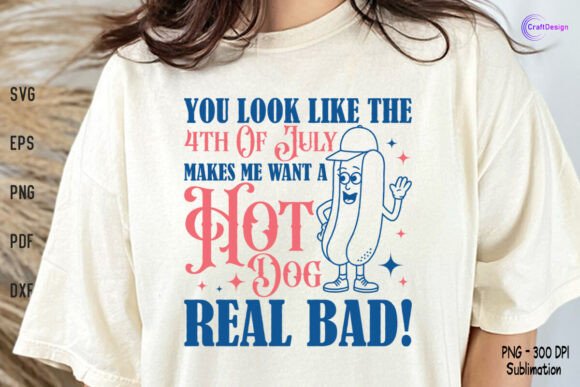
The first time I opened the file for You Look Like the 4th of July Hot Dog, I smiled before I even loaded it into my embroidery software. That is the reaction this design is built to create. It is playful, slightly sarcastic, and visually centered on a classic American holiday icon—the hot dog—but with a twist that makes it feel like a joke shared between friends. The shape is straightforward: a bun, a sausage, and a little flag or sparkler detail depending on the version you stitch. The layout is compact, which immediately tells me this is a design that works well on smaller surfaces like a tote bag, a sweatshirt chest, or a baby bib. The mood is not formal or polished in a traditional sense. It is conversational, bold, and a little cheeky. That is exactly the kind of energy that sells well in handmade markets, especially during the summer holiday season.
For anyone running a craft business or an Etsy seller looking to offer something that stands out from the usual patriotic fare, this design hits a sweet spot. It is not another eagle or flag. It is a hot dog with personality. And that is a rare combination in the world of machine embroidery design.
A Design That Feels Like a Celebration
The visual personality of You Look Like the 4th of July Hot Dog is warm, humorous, and approachable. It does not try to be elegant or overly detailed. Instead, it leans into the charm of a simple, recognizable shape with a human-like quality. The hot dog is the star, and the text or surrounding elements reinforce the joke. As a designer, I appreciate when a file knows exactly what it wants to be, and this one does. It belongs naturally on custom apparel like a sweatshirt embroidery piece, a tote bag design, or a personalized gift for a summer barbecue host. I could also see it working well as an embroidered patch sewn onto a canvas apron or a kitchen towel. The theme is specific to the Fourth of July, but the humor gives it a longer shelf life than a purely patriotic design. People will wear or gift this not just because it is July, but because it is funny.
From a graphics perspective, the file is clean and readable. The lines are not overly complex, which is a good sign for embroidery project work. If the design were too dense or the details too small, it would lose its charm on fabric. But here, the balance feels right. The fill stitch areas are distinct, and the satin stitch outlines, if present, give it a crisp finish. I would recommend testing it on a light or medium-colored fabric first to see how the red, white, and blue tones pop. On a dark fabric, you will want to check the contrast carefully, especially around the bun and the text.
How It Performs on Real Products
I recently used this design to prepare a custom tote bag for a client who wanted a Fourth of July gift for a friend. The embroidery file loaded easily into my software, and the layers were well-organized. I stitched it onto a cotton canvas tote in a natural color, using red, white, and blue thread colors. The result was clean, readable, and the friend who received it laughed out loud. That is the kind of reaction that builds repeat customers for a handmade product business.
Here is where I think this design performs best across different product types:
- Custom apparel: Works well on t-shirts, sweatshirts, and denim jackets. The chest or upper back placement is ideal. On a sweatshirt embroidery project, the design holds its shape without feeling heavy.
- Tote bags and aprons: The compact layout fits naturally on a tote bag front or an apron bib. It becomes a conversation starter at a holiday gathering.
- Baby embroidery: I tested it on a onesie and a small bib. The design is large enough to be visible but not so dense that it stiffens the fabric. Just be sure to use a lightweight stabilizer and a hoop size that matches the design dimensions.
- Embroidered patches: This design would make a great patch for a cap, a backpack, or a jacket sleeve. The bold shapes stitch out well in a patch format with a border stitch.
- Pillow covers and tea towels: For home decor, this design adds a playful touch to a holiday-themed pillow or a kitchen towel. It is the kind of item that sells quickly at a craft fair or in an Etsy seller shop.
If you are a small shop product creator, this design also works well for printed merchandise because the PNG transparent background files included in the zip make it easy to create printable mockup images for your listings. You can show the design on a shirt, a bag, or a hat before you even stitch it. That is a huge time saver for digital product sellers and creative entrepreneurs who need to test the market quickly.
Where You Need to Be Careful
No design is perfect for every surface, and You Look Like the 4th of July Hot Dog has a few limitations you should know before you commit to a project. First, the stitch density in the filled areas—especially the hot dog and the bun—can be moderate to high. If you are stitching on a very thin or stretchy fabric like a lightweight jersey, you will need a good stabilizer to prevent puckering. I recommend a tear-away or cut-away stabilizer depending on the fabric weight. Test a scrap piece first.
Second, the design contains some small details, such as the text or any decorative elements like stars or sparklers. If you are using a small hoop size or if the design has been scaled down significantly, those details may lose clarity. I advise keeping the design at or near its original size to preserve the integrity of the satin stitch outlines and the fill stitch areas. Shrinking it too much will make the text hard to read and the hot dog shape less distinct.
Third, be cautious with dark fabric. The bun is a light color, and if you stitch it on a black or navy background, you may need to add a white underlay or use a bobbin thread that matches the top thread to prevent the dark fabric from showing through. This is a standard consideration for any embroidery project with light-colored elements, but it is worth mentioning specifically here because the bun is a large area of fill.
Finally, if you plan to stitch this design on a curved surface like a cap, you will need to pay attention to the placement. The design is not overly tall, but it is wide enough that it could distort if the cap is not properly hooped or if the hoop size does not accommodate the full shape. Use a cap hoop if you have one, and test the placement with a paper template first.
What It Does for Your Product’s Value
When I evaluate a design for commercial embroidery use, I think about how it affects the visual appeal, the product value, and the customer trust in my work. You Look Like the 4th of July Hot Dog scores well on all three. The humor and the clear, bold shapes make the finished product feel like a premium item, not a cheap novelty. The stitching looks clean and professional when done correctly, which builds customer trust and encourages repeat business. For handmade presentation, this design adds a layer of personality that standard stock designs often lack. It feels like someone thought about the buyer.
For brand consistency, if you are a shop that offers witty or playful designs, this fits right in. It is memorable and easy to recognize. Giftability is high because the humor is universal enough that even people who do not celebrate the Fourth of July can appreciate the joke. And from a buyer engagement perspective, this is the kind of design that gets shared on social media. People take photos of their finished products and tag the shop. That is free marketing for small business owners and handmade shop owners.
Stitching Notes You Should Know Before Starting
Before you load this into your machine, here are a few practical notes from my own testing:
- Test on scrap fabric first. I cannot stress this enough. The design looks one way on screen and another on fabric. Stitch a sample on a piece of cotton or poly-cotton blend to see how the thread colors interact with the fabric texture.
- Check thread color contrast. The red, white, and blue combination is classic, but if your red is too dark or your blue is too light, the design may lose its pop. Compare the colors against the fabric before you stitch.
- Review stitch density. If the design feels too dense in the software, consider reducing the density slightly or using a lighter fill stitch pattern. This will help the fabric drape better, especially on custom apparel.
- Confirm hoop size. The design dimensions should fit within your hoop with at least a half-inch margin. If you are unsure, measure the design in your software and compare it to your hoop's stitching area.
- Inspect small details. The text and any small decorative elements should be clear and readable. If they look fuzzy in the preview, do not scale the design down. Keep it at the original size or larger.
- Test in black and white mockups. Before you commit to a full color run, stitch a test in a single color or use a printable mockup to see how the design reads without color. This helps you evaluate the layout and the balance of positive and negative space.
- Use proper stabilizer. For most woven fabrics, a medium-weight cut-away stabilizer works well. For knits, use a tear-away with a light spray adhesive. For baby embroidery or delicate fabrics, use a water-soluble stabilizer on top to prevent the stitches from sinking.
Commercial Use and Licensing Considerations
The product description states that the files are perfect for shirt printing, and the zip includes SVG files, EPS files, DXF files, PDF files, and PNG transparent background files. This is a versatile set that works for both machine embroidery design work and digital embroidery file projects. However, the listing does not specify the stitch count, exact hoop sizes, or licensing terms. Before you use this design for commercial embroidery or sell finished products featuring this design, you should confirm the license with the seller. Some designers allow unlimited commercial use, while others restrict it to a certain number of units or require a separate commercial license. If you are an Etsy seller or a small shop product creator, this step is essential to protect your business and avoid copyright issues.
If you plan to use the design for digital product selling—for example, reselling the file as part of a bundle—you will almost certainly need a different license. The files here are well-made and versatile, but always read the fine print before you upload anything to your own shop.
In the Crafts category, this design is a strong addition to any seasonal collection. It fits the Graphics type in terms of file format variety, but the real value comes from how it stitches out and how customers react to it. As a designer and reviewer, I would recommend it to anyone who wants to add a little humor to their summer lineup. Just do the prep work, test your materials, and let the hot dog do the talking.